


Cashless pokies have quietly become the default way many Australians spin on the move, and choosing between them on a phone is no longer a casual afterthought. From a quick session near Newcastle’s harbour to a long arvo on the Newcastle light rail, the right platform needs to feel effortless in your hand. This decision guide weighs the questions a player should actually ask before tapping deposit, so the choice fits how you play rather than how the marketing claims you do.
What Cashless Really Changes About Mobile Pokie Play
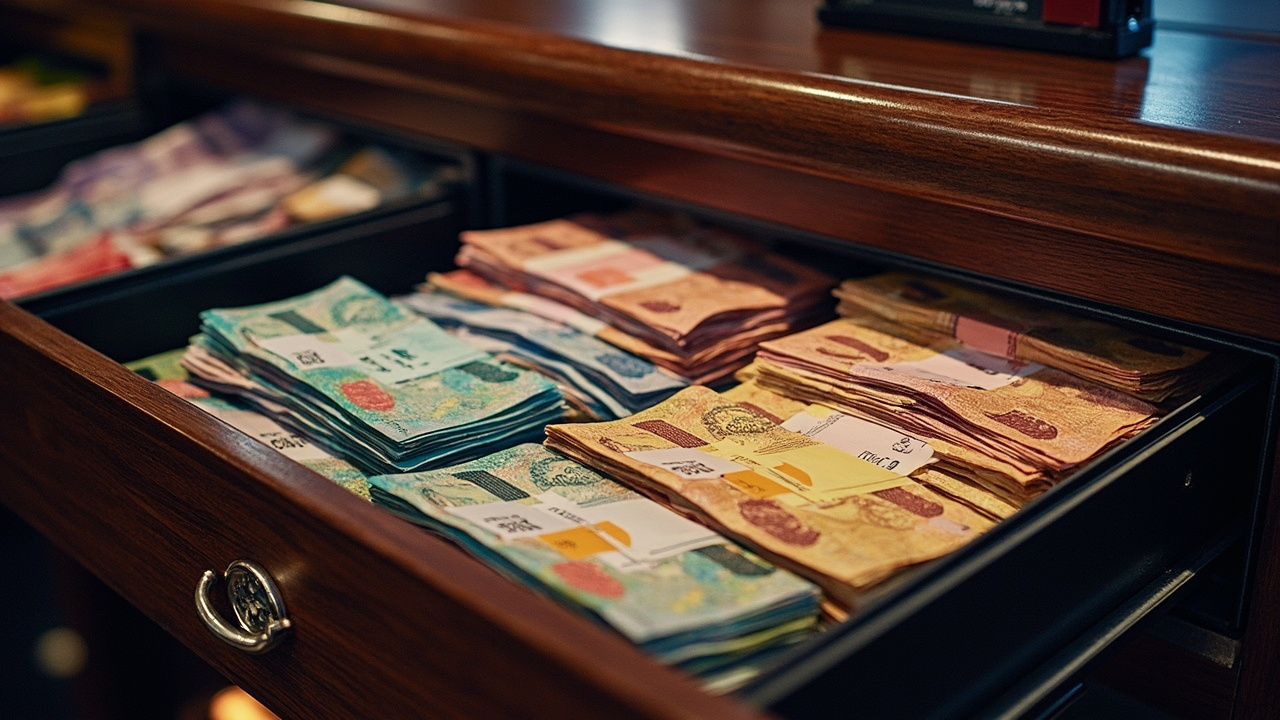
Going cashless at the pokie reels is more than a payments tweak; it changes the rhythm of a session. Players in Sydney and Melbourne now spin in shorter bursts, and Newcastle light rail commuters see similar micro-sessions where PayID or a saved card token lets a player deposit, spin, and cash out inside a single 15-minute window.
The shift mirrors what Oliver Newman has seen in his data partnerships with banks and telcos: tokenised card flows and instant bank rails reduce friction to the point where the wallet disappears. For a platform that markets itself that way, https://spinagoonlinepokies.com leans on PayID and saved-card tokens to keep the wallet out of sight, though players should always verify the operator’s credentials in its home jurisdiction. A punter should notice the absence of friction, not its presence. If the deposit screen still feels like a checkout from 2014, the platform has not done the integration work.
For Australians, two rails matter most. POLi is the bank-account option many players reach for first. PayID has grown rapidly among under-35s who already use it for everyday transfers. The best cashless pokies support both, plus a saved-card option for those who want fingerprint confirmation. Anything else, and you are typing more than spinning.
Putting Cashless Pokies Through Their Mobile Paces
Mobile usability is where cashless pokie platforms quietly fall apart. Performance on a small screen, thumb-reach navigation, and how the app holds up on regional networks decide whether a session is smooth or a chore. Here is what to weigh on each front.
| What to test | Pass mark on iOS | Pass mark on Android |
|---|---|---|
| Lobby load on 4G | Under 3 seconds | Under 3 seconds |
| Spin animation FPS | 50+ | 50+ |
| Resumes after a call | Within 2 seconds | Within 2 seconds |
| Fingerprint login | Works on first try | Works on first try |
| Offline deposit queue | Available | Available |
Browser versus App Performance
The browser version of a cashless pokie site gets the first test when you tap a deposit link from your banking app. A well-built mobile site should load the lobby in under three seconds on 4G, keep spin animations above 50 frames per second, and resume a session when you swap back from a call. Apps can be faster, but only if the developer has not shipped a 200MB wrapper around a web view. Test both; if the app stutters on a deposit confirmation, the browser will too.
Navigation and Account Access on Smaller Screens
Cashless play rewards platforms with the wallet one tap from the lobby and the cashier one tap from the wallet. Look for sticky bottom bars housing the cashier, search, and live chat; reaching for a hamburger menu mid-spin kills the rhythm. Account verification, withdrawal history, and bonus tracking should sit in a profile menu loading in under a second, not a buried settings page. Ella Jackson, Senior Market Analyst at Murray River Gaming Research, notes that “players in our sample abandoned sessions twice as often when the cashier screen required more than two taps to reach,” which sets a useful benchmark for any platform worth using. Players chasing that flexibility should dig into a focused piece on flexible mobile pokie play to compare the leading options.
Connectivity and State-Level Mobile Habits
Australia’s mobile networks behave very differently outside the CBD: Adelaide and Perth players on Telstra or Optus see strong 4G, while regional Tasmania still leans on 3G fallbacks that punish image-rich lobbies. New South Wales commuters, including Knights fans leaving McDonald Jones Stadium via Hamilton station or tapping in from Broadmeadow on a Jets match night, typically enjoy solid coverage, though regional stops further down the coast see the network thin out fast. A solid cashless pokie app caches recent spins and queues deposits offline so a lost signal does not wipe a session.
Matching the Platform to the Way You Play
The best cashless pokies on mobile are not the same for everyone. Ask three questions before signing up: how long are your typical sessions, how patchy is your mobile signal, and how quickly do you want withdrawals to land. A 10-minute commuter session from a Newcastle train platform needs a platform with one-thumb navigation and offline-tolerant deposits, while a weekend two-hour session at home cares more about a wide game lobby and fast search.
Oliver Newman has noted that the same triage logic applies to elite sport data partnerships: brief, high-stakes windows demand tighter uptime than longer planning sessions, and the same is true of a mobile pokie session. Finn Baker, Sports Betting Analyst at Yarra Gaming Lab, points out that “withdrawal friction is the single biggest reason mobile-first players churn away from a cashless platform after their first big win,” which means the cashier experience matters more than the welcome bonus. If the platform needs a separate document upload for every withdrawal over a modest threshold, the cashless promise has not really landed. Match the platform to the session and signal you actually have, and the choice becomes obvious.

A cashless pokie platform earns its keep by staying out of your way on a phone. Weigh session length, signal strength, and withdrawal friction before signing up, and the right choice surfaces after a few minutes of testing. Match the choice to how you play, not how the welcome bonus wants you to, and the rest is busy as anything. Set a deposit limit before your first spin; responsible gambling safeguards still apply.